Storm damaged tree removal in Anerley
When high winds, heavy rain, or a sudden storm leaves a tree leaning, split, or partially uprooted, fast action matters. For homeowners, landlords, housing managers, and local businesses, storm damaged tree removal in Anerley is not just about tidying up a messy garden or frontage. It is about making the area safe, protecting property, and preventing a weakened tree from causing further damage.
Anerley properties often face practical challenges that make storm recovery more urgent: narrow side access, shared boundaries, close-standing homes, mature gardens, front gardens near footpaths, and commercial sites that need entrances cleared quickly. Whether the damage is to a single tree in a small rear garden or several trees affecting a larger site, the right local team can assess the risk, remove unsafe material, and leave the area ready for the next stage of repair or replanting.
If you are dealing with a storm-hit tree in Anerley, contact us today to request a free quote or book your service now. A prompt inspection can make all the difference when branches are cracked, roots are lifting, or a tree is resting on fencing, sheds, roofs, or parked vehicles.
Fast help when storm damage makes a tree unsafe

Storm damage is often more complicated than a tree simply “looking bad.” A tree may still stand upright while hiding major structural failure in the crown, trunk, or root system. In strong winds, even a tree that appeared healthy beforehand can split suddenly, lose limbs, or become unstable enough to fail later. That is why storm damaged tree removal in Anerley should always begin with a careful risk assessment rather than an assumption that the tree can wait.
Our approach is focused on safety first. If a tree is clearly unsafe, we work to remove the immediate hazard in a controlled way. If the situation requires extra caution, we may first make the tree safe by reducing weight, removing hanging branches, or isolating dangerous sections before full removal. This is especially important where access is limited, there are neighbouring properties close by, or the tree is near a public pavement, parking area, or shared alley.
In storm situations, speed matters, but so does judgement. A rushed cut can create more damage, while a careful plan can protect roofs, fences, and surrounding trees. That balance is what local customers in Anerley value most when they need urgent tree work after severe weather.
What storm damaged tree removal includes

Every site is different, but a professional service will usually be built around the same core steps. The aim is to remove the danger, clear the site properly, and leave you with a safe, manageable space.
Typical tree removal work after storm damage may include:
- Initial inspection of the damaged tree and surrounding area
- Checking for hazards such as hanging limbs, split stems, or uprooted roots
- Sectional dismantling where full access is not possible
- Controlled removal of unstable branches and trunk sections
- Clearance of debris, brash, and timber from the site
- Advice on whether stump grinding or stump removal is needed
- Assessment of nearby trees that may also have been weakened
For many customers, the key benefit is having one local team handle the entire job from start to finish. If the tree has fallen across a driveway, damaged a boundary fence, or blocked a shared access route, there is often no time to coordinate multiple trades. A well-organised removal service can help restore access quickly and reduce stress at an already difficult moment.
After severe weather, don’t assume a tree is stable just because it has not fallen completely. Cracks in the trunk, lifted roots, and torn branches can all worsen without warning.
Why Anerley customers need a local tree team

Anerley has a mix of residential streets, period homes, flats, commercial premises, and gardens of varying size. That mix creates real-world access issues that can affect how storm damaged tree removal is carried out. A local team understands the practical side of working in the area: parking limitations, narrow front gardens, restricted side passages, and the need to work carefully around neighbouring properties.
Local knowledge also matters when a storm has affected more than one tree or when debris is spread across several plots. Trees close to Croydon, Penge, Crystal Palace, Beckenham, Sydenham, Elmers End, and nearby South London areas may all experience similar weather-related risks, but the access conditions can differ widely from street to street. A local service is better placed to plan equipment, labour, and removal methods that suit the property, not just the tree.
For landlords and commercial customers, there is often an added concern around keeping entrances open and reducing risk to visitors, tenants, staff, or customers. A fallen limb near a shopfront, forecourt, or car park can cause disruption even if the tree itself is not fully down. Storm damaged tree removal in Anerley can therefore be as much about keeping a site functional as it is about clearing a hazard.
Common local situations we can help with
- Leaning trees after high winds
- Split trunks over gardens or outbuildings
- Branches fallen onto sheds, garages, and fences
- Uprooted trees blocking drives or side access
- Damaged trees near communal areas or pathways
- Commercial frontage clearance after storm events
How the service works

When you arrange storm damaged tree removal, the process should feel straightforward and reassuring. You do not want guesswork. You want a clear plan, sensible timing, and a team that understands the risk level before any cutting begins.
Here is how a typical job is handled:
- Initial enquiry – You explain what happened, where the tree is, and whether anything is at immediate risk.
- Site assessment – The damaged tree, access route, nearby structures, and any overhead or ground-level hazards are reviewed.
- Removal plan – The safest method is chosen, whether that means sectional dismantling, full removal, or staged work.
- Tree removal – The tree is taken down in controlled sections, with care taken to avoid further property damage.
- Clear-up – Branches, logs, and debris are removed from the site as agreed.
- Aftercare advice – If needed, you are advised on stump work, replacement planting, or checking nearby trees for hidden damage.
Some jobs are relatively simple, while others require extra caution because the tree is under tension, resting on another structure, or partly lodged in place. In those cases, the work can take longer because safety is the priority. A professional team will explain this clearly so you know what to expect before the job begins.
Tip: if you are unsure whether the tree can be left until a convenient day, treat it as urgent and ask for an assessment. Wind-damaged trees can fail unpredictably, especially after further rain.
What affects the price of storm damaged tree removal
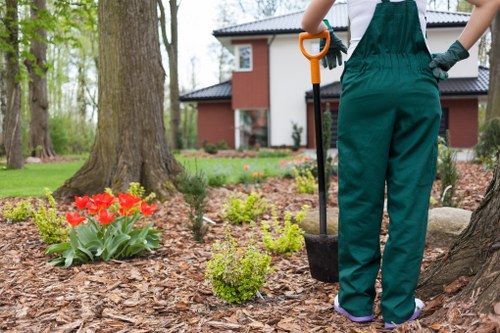
Customers often want to understand what shapes the cost of tree removal after storm damage. While exact prices vary from site to site, a quote is usually influenced by several practical factors rather than just the size of the tree alone.
Pricing factors commonly include:
- The size, species, and condition of the tree
- How badly the tree has been damaged
- Whether the tree is upright, leaning, uprooted, or fallen
- Access to the site for tools and removal equipment
- Whether the tree is close to a house, garage, fence, or road
- The amount of waste to be removed
- Whether stump grinding or root removal is needed
- Urgency, including emergency or same-day attendance where possible
Properties in Anerley with rear gardens, shared access, or limited off-street parking may need more manual handling and careful planning. That can affect labour time and the method used, but a good local team will always aim to recommend the most efficient safe approach rather than overcomplicate the job.
It is also worth remembering that storm damage can expose hidden issues. A tree that looked manageable before the storm may now be unstable, split internally, or hanging in a way that makes removal more involved. That is why accurate site assessment is so important before any commitment is made.
Request a free quote if you need a clear idea of what is involved. A proper estimate should reflect the real conditions on site, not a one-size-fits-all assumption.
What makes a storm-damaged tree a safety risk?
Not every damaged tree falls immediately, and that can be part of the problem. Some of the most dangerous trees are the ones that still appear partly intact. A storm can weaken internal structure, tear anchor roots, or create tension points that fail later without much warning. This is why homeowners and property managers in Anerley should stay alert after heavy weather.
Warning signs to look for include:
- Branches hanging loosely or caught in the canopy
- Deep cracks in the trunk or major limbs
- A tree leaning in a new direction after the storm
- Uplifted soil or visible roots on one side
- Splitting where limbs meet the trunk
- Bark peeling away or fresh sap bleeding
- Debris caught high in the crown
In some cases, a tree may also be at risk because the ground around it has become saturated. Waterlogged soil reduces root stability, especially in exposed gardens, sloping plots, or areas where drainage is already limited. This can be a concern in and around Anerley after prolonged wet weather.
When to act quickly
If a damaged tree is touching a building, blocking a route, leaning toward a public area, or dropping limbs, it is sensible to arrange help as soon as possible. Even if the situation seems calm for the moment, the conditions may worsen with another gust of wind or more rain.
Residential storm damage: what Anerley homeowners need to know
Homeowners often call for help after a storm because a tree has landed on a fence, shed, conservatory, or driveway. In tight residential settings, the concern is not only the tree itself but also the knock-on effect on everyday life. A blocked side return, damaged paving, or obstructed garden can become a real inconvenience.
For residential customers, storm damaged tree removal can help with:
- Clearing unsafe trees before they cause further damage
- Restoring access to gardens, drives, and paths
- Reducing risk to windows, roofs, and boundary structures
- Removing debris so the property is usable again
- Checking whether nearby trees need attention too
Many Anerley homes have mature trees close to buildings, especially where gardens have established planting or where older properties share boundaries. That can make storm response more delicate. A local service should work with care, using controlled dismantling methods where needed to avoid impact on neighbouring fences, sheds, glass, or planting.
Book your service now if a damaged tree is creating concern around your home. Even a partial removal can make the area much safer while you decide on the next step.
Commercial and landlord tree removal after storms
Storm damage affecting a commercial site or rental property can quickly become a practical and legal concern. Car parks, shared entrances, shopfronts, rental gardens, and communal paths all need to remain as safe and usable as possible. When a tree is damaged, time is often limited.
For landlords and managing agents, there may be a need to respond to tenant concerns, preserve access, and reduce further damage to structures or common areas. For business owners, the priority may be keeping customers, deliveries, and staff movement unaffected. In both cases, storm damaged tree removal in Anerley should be handled with an understanding of the pressure that comes with occupied or operating premises.
Useful outcomes for commercial and managed properties include:
- Safer entrances and walkways
- Reduced risk of trip hazards from broken limbs
- Faster clearance of blocked access points
- Careful work around parked vehicles and signage
- Practical advice on any further tree checks needed
If the tree is on or near a boundary, or shared with neighbouring premises, communication and planning matter. A local tree removal team can help keep the process organised and minimise disruption.
Preparation checklist before the team arrives
A little preparation can make the job smoother and safer, especially if access is narrow or the tree is close to a structure. You do not need to do heavy lifting or attempt any branch removal yourself. In fact, it is better not to touch unstable limbs at all. The goal is simply to help the team work efficiently on arrival.
Before the appointment, you can:
- Keep everyone away from the damaged tree area
- Avoid parking vehicles beneath or near unstable branches
- Close windows and move valuable items away from the danger zone
- Let neighbours know if branches or debris affect a shared boundary
- Provide any useful access information, such as side gates or rear entry points
- Point out visible hazards, including loose wires, damaged fencing, or hidden obstructions
If the tree is near a footpath, road edge, or common access route, it may be sensible to keep the area clear until the situation has been assessed. Safety should come before convenience.
What not to do
Do not climb the tree, pull on hanging branches, or try to cut through a storm-damaged section with household tools. Trees under stress can shift suddenly, and what looks like a minor branch can be supporting significant weight.
Why prompt removal can save time and reduce secondary damage
Leaving a storm damaged tree in place for too long can increase the overall cost and complexity of the problem. If a cracked limb falls later, it may damage a roof, fence, greenhouse, or neighbour’s property. If the root plate continues to lift, the tree may become even less stable. And if debris remains in place, it can make future work more awkward.
Prompt removal can also help you make sensible decisions about the rest of the garden or site. Once the danger is gone, you can see what repairs are needed and whether other trees need thinning, pruning, or inspection. In some cases, a damaged tree may have sheltered nearby plants or structures, and clearing it may reveal issues that were hidden before.
That is why a local, responsive service matters. You want the tree dealt with while it is still manageable, not after another round of weather turns a difficult task into an emergency.
Areas covered around Anerley
We work with customers across Anerley and nearby neighbourhoods where storm-damaged trees can affect homes, gardens, businesses, and communal spaces. Local travel matters when weather has disrupted the area, because quick access and practical route planning can reduce delays.
Nearby areas commonly covered include:
- Penge
- Crystal Palace
- Beckenham
- Sydenham
- Elmers End
- Norwood
- Upper Norwood
- South Norwood
- Woodside
Whether the job is on a residential street, a shared driveway, a commercial forecourt, or a larger garden plot, the same careful approach applies: assess first, remove safely, and clear properly.
FAQ: storm damaged tree removal in Anerley
Can a storm-damaged tree be made safe without removing it completely?
Yes, sometimes. If the tree is only partly affected, selective pruning or sectional reduction may be enough to make it safe for the short term. However, if the trunk or root system is severely compromised, full removal may be the safer option. A site assessment will determine the best approach.
Do I need to wait for the tree to fall before calling?
No. In fact, it is better to call before a tree falls completely. Leaning trees, split stems, and hanging branches can all become more dangerous with time, especially if more wind or rain is forecast.
Can you remove a tree that has fallen on a fence or shed?
In many cases, yes. The removal method depends on the position of the tree, the amount of tension in the branches, and whether the tree is still partially rooted or supported by the structure. Care is taken to reduce additional damage during the process.
Will access problems in Anerley affect the job?
They can affect planning, but they do not usually prevent the work. Narrow access, limited parking, and tight rear gardens are common local considerations. They simply mean the removal method may need to be more manual and carefully staged.
What happens to the waste after removal?
Debris is usually cleared from the site as part of the service, subject to the agreed scope of work. If you need logs left for firewood, or if you want stump work arranged separately, that can often be discussed before the job begins.
Should I also check nearby trees after a storm?
Yes. A storm that damages one tree can also weaken others nearby. If you have several trees close together, it can be wise to ask for a broader inspection so that hidden issues are not missed.
Why choose a local company for this type of work?
Storm recovery is not the same as routine pruning. It requires speed, sensible judgement, and the ability to adapt on site. A local company understands the conditions in Anerley and nearby South London streets, where properties may be close together and access can be awkward. That local understanding helps the work go more smoothly.
Customers often value a local team because they can offer:
- Quicker attendance when the situation is urgent
- Better understanding of local access and parking conditions
- Experience with common property layouts in the area
- Practical communication and realistic scheduling
- Support for homes, landlords, and businesses alike
When a tree has been storm damaged, there is already enough to worry about. Choosing a team that knows the area can make the whole process simpler and less disruptive.
Contact us today if you need help with a dangerous, leaning, or fallen tree in Anerley. We can assess the situation, explain the best next step, and arrange removal where needed.
Ready to deal with a storm-damaged tree?
If a recent storm has left you with a dangerous tree, the safest next step is to arrange a professional inspection and removal plan. Whether it is a single branch hanging over a garden, a tree leaning toward a structure, or a fallen trunk blocking access, swift action can prevent the situation from getting worse.
Storm damaged tree removal in Anerley is about more than clearing debris. It is about restoring safety, protecting property, and helping you move forward after unexpected weather damage. From small residential gardens to commercial sites and shared spaces, a local service can provide the practical support needed to deal with the problem properly.
Take the next step now: request a free quote, discuss the condition of the tree, and arrange a time for the work to be assessed. If the damage looks urgent, do not wait for the next storm to make it worse.
Book your service now and get the damaged tree dealt with safely and efficiently.